

Local news and democracy have been intertwined since the days of Alexis de Tocqueville. As we've discussed on this show before, news outlets are one way that people who live in a city or town keep up on what's happening in their local government. However, our guest this week argues the "watchdog" effect of local journalism might be overstated, along with the correlation between local news consumption and political participation.
Nikki Usher is an associate professor in the College of Media at the University of Illinois and author of News for the Rich, White, and Blue: How Place and Power Distort American Journalism. In the book and in this conversation, Usher recasts the challenges facing journalism in terms of place, power, and inequality. She questions longstanding beliefs about the relationship between local news and civic engagement and separates observed behavior from myths about American democracy and the media's role within it.
This conversation originally appeared on New Books in Journalism, part of the New Books Network.
News for the Rich, White, and Blue: How Place and Power Distort American Journalism
This article is sourced from the Democracy Works podcast. Listen or subscribe below.
Where to subscribe: Apple Podcast | Spotify | RSS
Scroll below for transcripts of this episode.
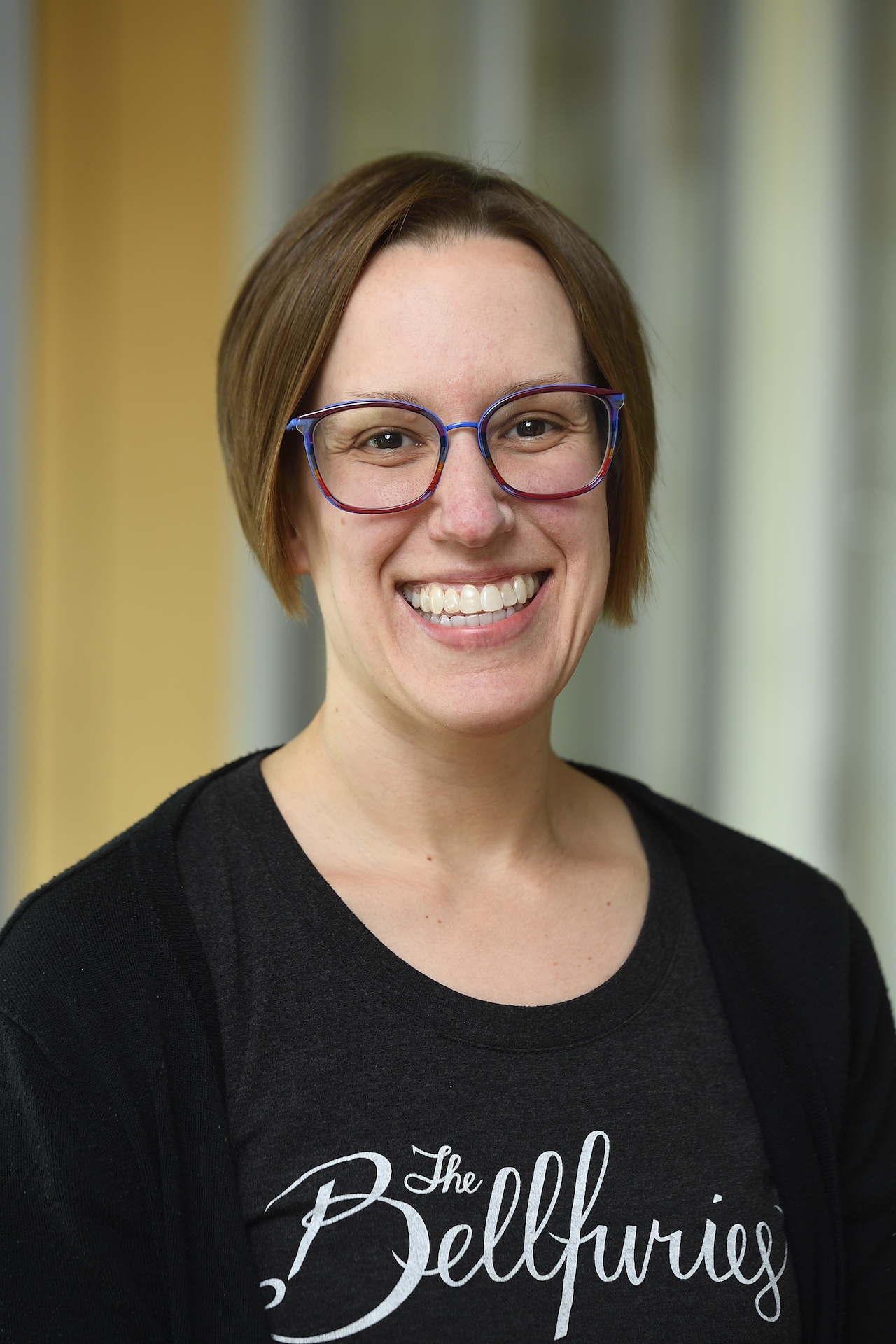
Jenna Spinelle is a writer and podcaster who tells stories that inspire hope and change in trying times. She hosts the podcasts Democracy Works When the People Decide, both productions of the McCourtney Institute for Democracy at Penn State. She is currently writing a book about the democracy reform movement and how more people can get involved in the work to strengthen American democracy. Spinelle teaches courses on news writing, podcasting, and content creators at Penn State’s Donald P. Bellisario College of Communications. Her writing has appeared in outlets including Time magazine, Inside Higher Ed and Current, a trade publication covering public media.


We are part of The Democracy Group, a network of podcasts that examines what’s broken in our democracy and how we can work together to fix it.