

This episode was recorded on December 15, 2020, the day after the Electoral College voted to confirm Joe Biden as the next United States President. However, some Republicans refuse to accept the result and vow to continue fighting the result until Inauguration Day. Michael, Chris, and Candis discuss what these challenges mean for the long-term health and legitimacy of American elections and American democracy.
They also discuss damage to the institutions that comprise America's liberal democracy and what it will take to repair them moving forward. Finally, they touch on increasing polarization and whether a generational shift will change the dynamics over time.
This our final new episode of the year. We'll be on a winter break for the next few weeks, during which time we'll be rebroadcasting some episodes from our back catalog that you might have missed. If there are any guests or topics you would like us to cover in 2021, please email democracyinst@psu.edu to share your ideas.
Thank you to our colleagues at WPSU for helping us produce the show every week — Andy Grant, Emily Reddy, Kristine Allen, Anne Danahy, Jen Bortz, Chris Kugler, and Mark Stitzer.
From our team to your and your family, best wishes for a happy holiday season!
This article is sourced from the Democracy Works podcast. Listen or subscribe below.
Where to subscribe: Apple Podcast | Spotify | RSS
Scroll below for transcripts of this episode.
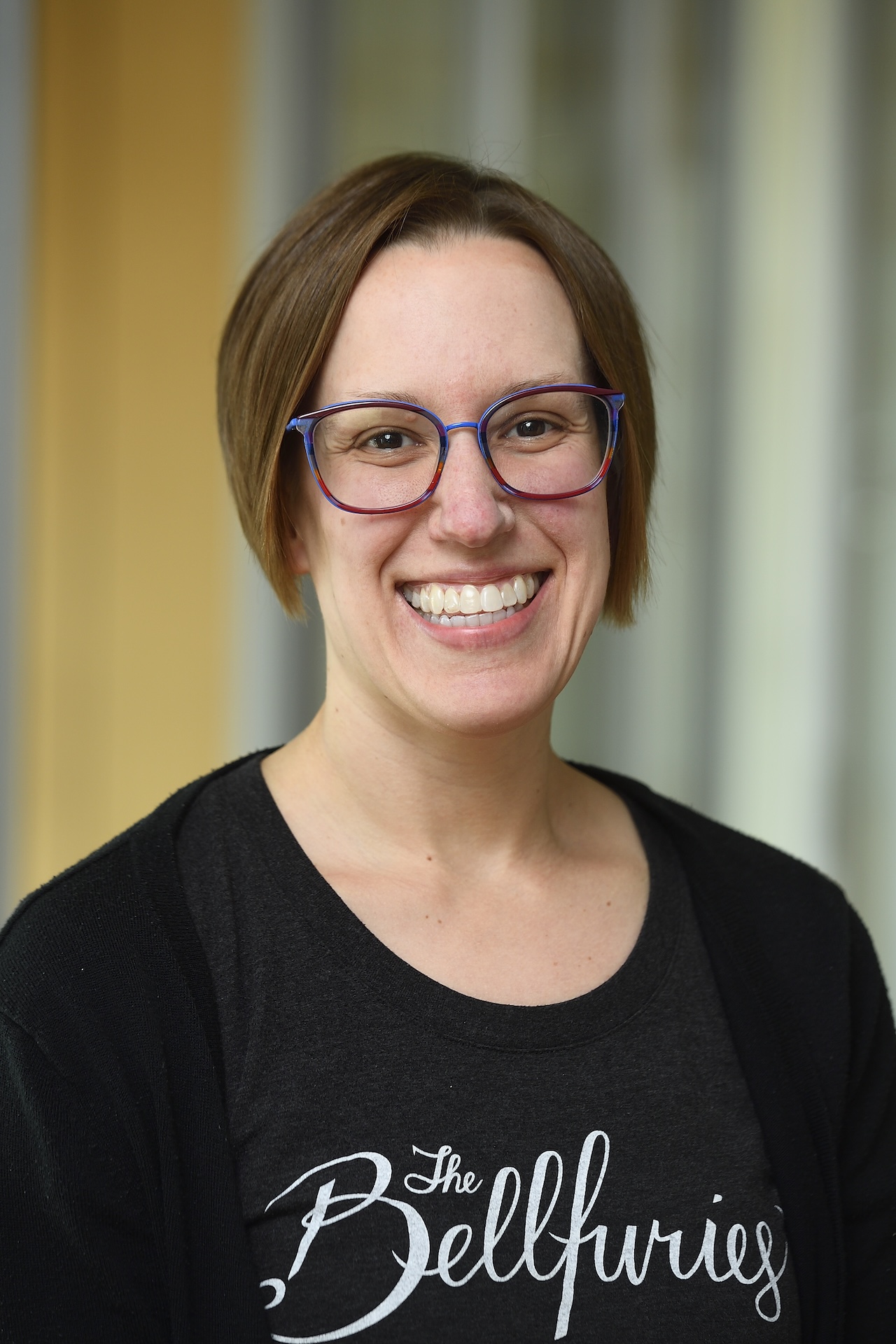
Jenna Spinelle is a writer and podcaster who tells stories that inspire hope and change in trying times. She hosts the podcasts Democracy Works When the People Decide, both productions of the McCourtney Institute for Democracy at Penn State. She is currently writing a book about the democracy reform movement and how more people can get involved in the work to strengthen American democracy. Spinelle teaches courses on news writing, podcasting, and content creators at Penn State’s Donald P. Bellisario College of Communications. Her writing has appeared in outlets including Time magazine, Inside Higher Ed and Current, a trade publication covering public media.


We are part of The Democracy Group, a network of podcasts that examines what’s broken in our democracy and how we can work together to fix it.