

While we take a holiday break, we are rebroadcasting a few episodes from our back catalog — starting with one that we teased at the end of last week's episode. This book and the broader concept of epistemic polarization is one that we've returned to time and time again. Many of the trends we discuss have become even more pronounced since this episode first aired in August 2019.
From Pizzagate to Jeffrey Epstein, conspiracies seem to be more prominent than ever in American political discourse. What was once confined to the pages of supermarket tabloids is now all over our media landscape. Unlike the 9/11 truthers or those who questioned the moon landing, these conspiracies are designed solely to delegitimize a political opponent — rather than in service of finding the truth. As you might imagine, this is problematic for democracy.
Democracy scholars Russell Muirhead and Nancy Rosenblum call it “conspiracy without the theory” and unpack the concept in their book A Lot of People Are Saying: The New Conspiracism and the Assault on Democracy. Russell is the Robert Clements Professor of Democracy and Politics at Dartmouth. Nancy is the Senator Joseph Clark Research Professor of Ethics in Politics at Harvard.
As you’ll hear, the new conspiricism is a symptom of a larger epistemic polarization that’s happening throughout the U.S. When people no longer agree on a shared set of facts, conspiracies run wild and knowledge-producing institutions like the government, universities, and the media are trusted less than ever.
A Lot of People Are Saying: The New Conspiracism and the Assault on Democracy
This article is sourced from the Democracy Works podcast. Listen or subscribe below.
Where to subscribe: Apple Podcast | Spotify | RSS
Scroll below for transcripts of this episode.
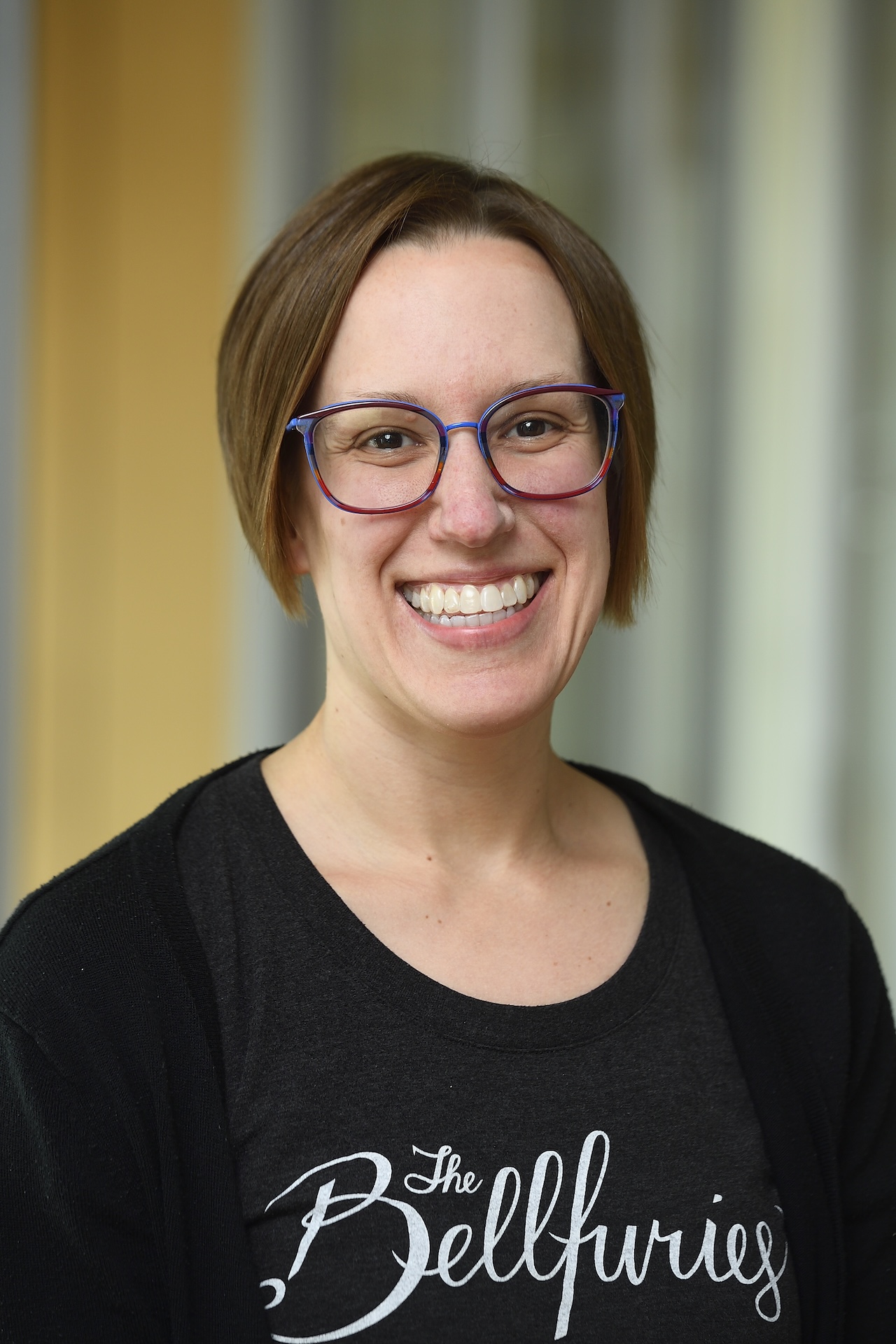
Jenna Spinelle is a writer and podcaster who tells stories that inspire hope and change in trying times. She hosts the podcasts Democracy Works When the People Decide, both productions of the McCourtney Institute for Democracy at Penn State. She is currently writing a book about the democracy reform movement and how more people can get involved in the work to strengthen American democracy. Spinelle teaches courses on news writing, podcasting, and content creators at Penn State’s Donald P. Bellisario College of Communications. Her writing has appeared in outlets including Time magazine, Inside Higher Ed and Current, a trade publication covering public media.


We are part of The Democracy Group, a network of podcasts that examines what’s broken in our democracy and how we can work together to fix it.