

We are excited to share the first episode of a new narrative series on ballot initiatives from the McCourtney Institute for Democracy: When the People Decide.
In this reported series, Jenna Spinelle tells the stories of activists, legislators, academics, and average citizens who changed their cities, states, and the country by taking important issues directly to votes — like Medicaid expansion in Idaho, sentencing reform in California, and LGBTQ workplace protections in Ohio.
This episode tells the story of a campaign in Michigan to end partisan gerrymandering in 2018 and shows how it is part of a legacy of ballot initiatives dating back to the 1800s. After becoming disillusioned with the results of the 2016 election, Katie Fahey took to Facebook to gauge the interest of grassroots mobilization amongst her colleagues, friends and family.
Now the executive director of a nonpartisan voter reform organization, Fahey shares how the ballot initiative excited everyday people about becoming active in politics, including its 10,000 volunteers, and how they were inspired to make political changes in their communities. We also hear from historian Steven Piott about the unlikely origin of the initiative and referendum in the United States at the turn of the 20th century.
New episodes will be released throughout the summer. Subscribe to When the People Decide in your podcast app:
This article is sourced from the Democracy Works podcast. Listen or subscribe below.
Where to subscribe: Apple Podcast | Spotify | RSS
Scroll below for transcripts of this episode.
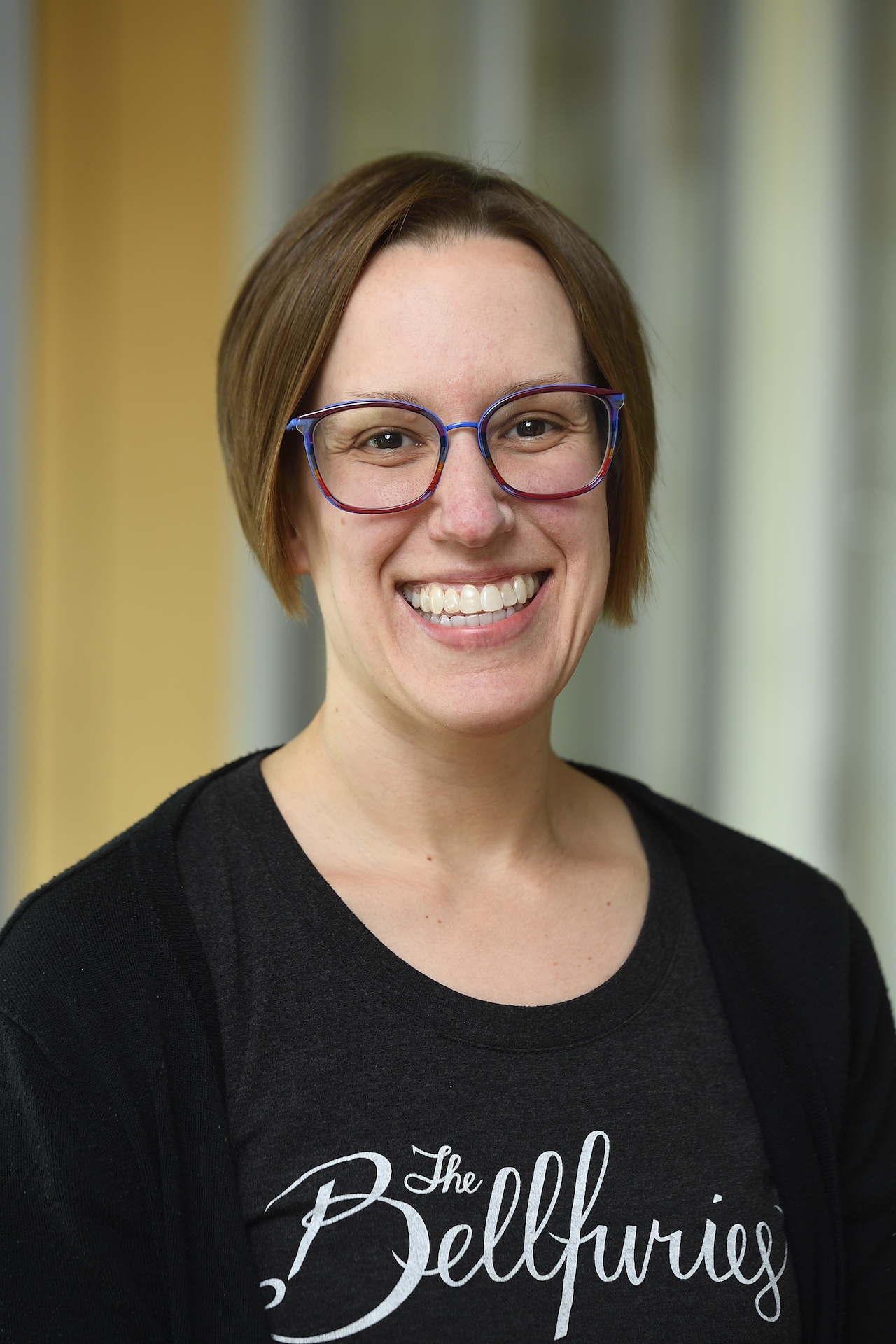
Jenna Spinelle is a writer and podcaster who tells stories that inspire hope and change in trying times. She hosts the podcasts Democracy Works When the People Decide, both productions of the McCourtney Institute for Democracy at Penn State. She is currently writing a book about the democracy reform movement and how more people can get involved in the work to strengthen American democracy. Spinelle teaches courses on news writing, podcasting, and content creators at Penn State’s Donald P. Bellisario College of Communications. Her writing has appeared in outlets including Time magazine, Inside Higher Ed and Current, a trade publication covering public media.


We are part of The Democracy Group, a network of podcasts that examines what’s broken in our democracy and how we can work together to fix it.